
How to Identify and Target Your Ideal Customer
Welcome to our blog post on how to identify and target your ideal customer! As a business owner or marketer, understanding who your ideal customer is can make all the difference in creating successful marketing strategies and growing your business. By accurately identifying and targeting your ideal customer, you can ensure that every dollar and effort you put into marketing is geared towards attracting the right people who are most likely to convert into loyal customers. So, let’s dive in and discover how you can pinpoint your ideal customer and tailor your marketing efforts for maximum impact!
What is an ideal customer?
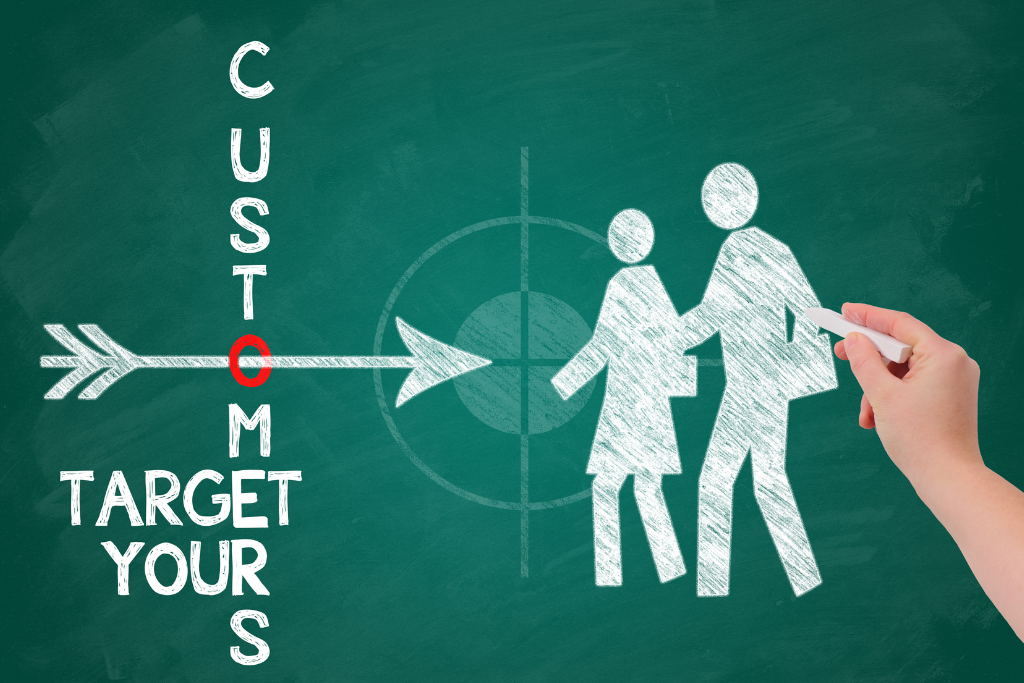
What is an ideal customer? Simply put, an ideal customer is the person or group of people who are most likely to be interested in your product or service and ultimately become a paying customer. They align perfectly with your business goals, values, and offerings.
To identify your ideal customer, you need to consider both demographic and psychographic factors. Demographics include characteristics such as age, gender, location, income level, and education level, while psychographics delves into their interests, hobbies, lifestyle choices, values, and beliefs.
Understanding these details helps paint a picture of who your ideal customer is. For example – if you sell premium skincare products targeted towards women aged 30-45 who value natural ingredients and sustainability practices in their beauty routine – that’s a clear definition of your ideal customer.
By identifying your ideal customers specifically rather than targeting everyone broadly, you can create focused marketing campaigns that resonate deeply with them. This not only saves time and money by avoiding wasted efforts on uninterested consumers but also increases the chances of attracting high-quality leads who are more likely to convert into loyal customers.
Remember that finding your ideal customer requires continuous research and analysis to adapt to changing market trends and consumer behaviors. It’s an ongoing process that demands staying up-to-date with industry developments so you can refine your target audience accordingly.
Stay tuned for our next blog section where we will discuss how exactly you can identify YOUR unique ideal customers!
How to identify your ideal customer
When it comes to identifying your ideal customer, it’s important to take a deep dive into understanding their needs, preferences, and behaviors. This will help you tailor your marketing efforts toward the right audience.
One way to identify your ideal customer is by conducting market research. This can involve surveying existing customers or potential target markets to gather valuable insights about their demographics, interests, and purchasing habits. By analyzing this data, you can create buyer personas that represent your ideal customers.
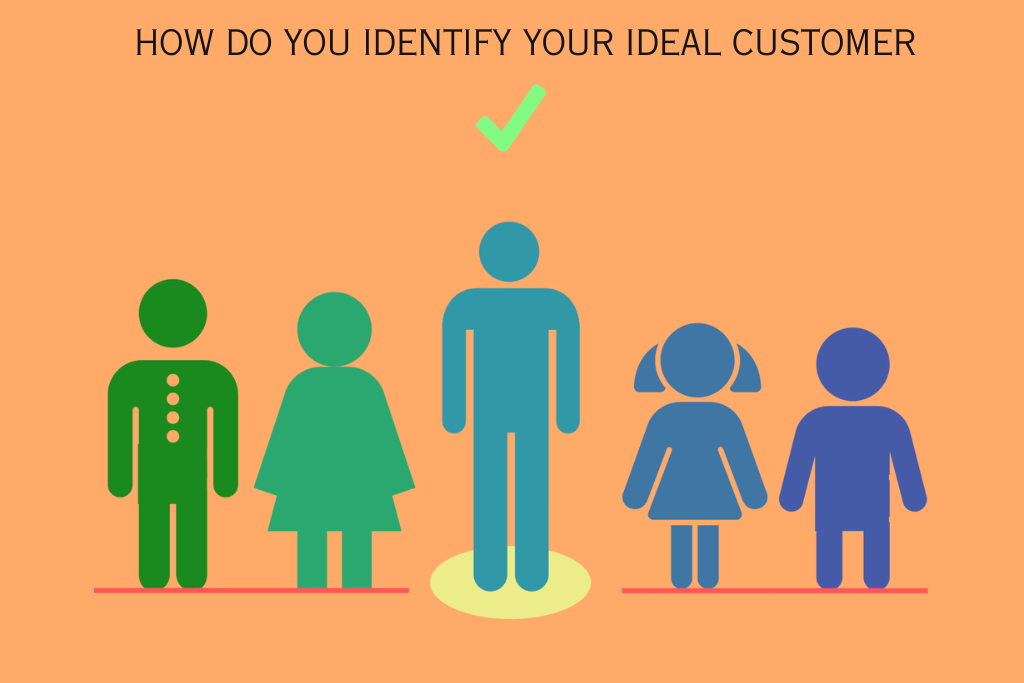
Another approach is to analyze your current customer base. Look for commonalities among your most loyal and profitable clients. Are they from a specific industry? Do they have similar challenges or goals? Understanding what makes these customers tick can give you clues on how to attract others like them.
Additionally, pay attention to feedback and reviews from your customers. What do they appreciate about your products or services? What pain points are you helping them solve? This information can shed light on who benefits most from what you offer.
Furthermore, keeping an eye on competitors in the same niche as yours can provide valuable insights into their target audience. Analyze their marketing strategies and messaging – who are they appealing to? Can you find any gaps in the market that they may be missing?
Identifying your ideal customer requires continuous monitoring and analysis of data from various sources such as surveys, social media interactions, website analytics, and sales reports. It’s an ongoing process that helps shape the direction of your business and ensures that you’re reaching the right people with the right message at the right time.
Why you should target your ideal customer
Why should you target your ideal customer? It’s simple – because it’s the most effective way to grow your business and maximize your profits. When you focus on attracting and serving the people who are most likely to be interested in what you have to offer, you can tailor your marketing messages and product offerings specifically to their needs and preferences.
By targeting your ideal customer, you can create a more personalized and relevant experience for them. This increases the chances of converting them into loyal customers who will not only make repeat purchases but also refer others to your business. By understanding their pain points, desires, and motivations, you can position yourself as the solution they’ve been searching for.
Additionally, targeting your ideal customer allows you to optimize your marketing efforts by reaching those who are most likely to respond positively. Instead of wasting resources on broad campaigns that may reach a wide audience but fail to resonate with most of them, focusing on specific segments ensures that every dollar spent brings higher returns.
Furthermore, targeting enables better tracking and analysis of results. You can measure how well different strategies perform among various customer segments and adjust accordingly based on data-driven insights. This continuous refinement helps refine messaging, promotions, and pricing strategies – ultimately leading to increased sales conversion rates.
Knowing precisely who your ideal customer is provides direction for all aspects of business operations from product development through marketing communications – ensuring long-term success in a competitive marketplace!
How to target your ideal customer
Now that you have identified your ideal customer, it’s time to focus on targeting them effectively. Here are some strategies you can implement:
- Tailor Your Marketing Messages: Speak directly to your ideal customer by crafting marketing messages that resonate with their needs and desires. Use language and imagery that they can relate to, highlighting the specific benefits your product or service offers.
- Utilize Social Media: Leverage the power of social media platforms to reach your target audience. Research which platforms your ideal customers frequent the most and create engaging content tailored to those channels. Interact with your audience, respond to their comments, and build a community around your brand.
- Refine Your Advertising Efforts: Consider using targeted advertising tools such as Facebook Ads or Google AdWords to narrow down your audience based on demographics, interests, and online behaviors. This will ensure that you are reaching people who closely match the profile of your ideal customer.
- Partner with Influencers: Collaborating with influencers who have a strong following in your niche can help you gain exposure among potential customers who align with your target market. Seek out influencers whose values align with yours and develop mutually beneficial partnerships.
- Personalized Communication Channels: Tailor communication through email marketing campaigns or personalized messaging apps like chatbots to speak directly to the individual needs and preferences of each segment within your target market.