

The Importance of Communication in Enhancing Client Retention
Welcome to our blog post on the importance of communication in enhancing client retention! In today’s fast-paced and competitive business world, retaining clients is crucial for the success and growth of any organization. And one of the key factors that can make or break client relationships is effective communication. By establishing clear channels of communication and fostering open dialogue with your clients, you not only build trust and loyalty but also create opportunities for collaboration, problem-solving, and ultimately, long-term success. So let’s dive deeper into why communication plays such a vital role in client retention and how you can overcome any barriers that may hinder effective communication with your clients. Let’s get started!

The role of communication in client retention
The role of communication in client retention cannot be overstated. At its core, communication serves as the foundation for building and maintaining strong relationships with your clients. It is through effective communication that you can understand their needs, expectations, and concerns.
By actively listening to your clients and engaging in meaningful conversations, you demonstrate that their opinions are valued and respected. This not only fosters a sense of trust but also allows you to address any issues or challenges promptly.

Moreover, regular and transparent communication enables you to proactively update your clients on progress, deliverables, and any changes that may impact them. This level of transparency builds credibility and reassures your clients that they are always informed about the status of their projects or services.
In addition to being proactive in sharing information, effective communication also involves seeking feedback from your clients. By soliciting their input and opinions regularly, it shows that you genuinely care about continuously improving the quality of your products or services based on their needs.
Furthermore, effective communication plays a crucial role in managing expectations. When both parties clearly communicate what they expect from each other right from the start of the relationship, misunderstandings and disappointments can be minimized.
By recognizing the vital role that communication plays in client retention – whether it’s actively listening to them or providing timely updates – businesses can create an environment where open dialogue thrives. This paves the way for stronger relationships built on trust, understanding, mutual respect…
The benefits of communication in client retention
The benefits of communication in client retention cannot be overstated. Effective and regular communication with your clients is essential for building strong relationships, boosting customer loyalty, and ultimately increasing client retention rates.
Communication helps to establish trust between you and your clients. When you take the time to communicate openly and honestly with them, it shows that you value their feedback and are committed to meeting their needs. This fosters a sense of trust and makes clients more likely to continue working with you.

In addition, effective communication allows you to better understand your client’s goals, challenges, and preferences. By actively listening to their concerns and providing relevant information or solutions, you can personalize your services to better meet their expectations. This personalized approach not only enhances satisfaction but also builds long-term loyalty.
Moreover, regular communication enables you to stay top-of-mind with your clients. By maintaining consistent contact through various channels such as emails or phone calls (without being intrusive), you can remind them of the value they receive from working with you. This reinforcement strengthens the client’s perception of your expertise and increases the likelihood that they will choose your services again in the future.
Furthermore, good communication allows for proactive problem-solving. By addressing any issues promptly and transparently instead of letting them linger unresolved, you demonstrate professionalism while minimizing potential damage to the relationship. Clients appreciate when problems are handled efficiently because it gives them peace of mind knowing that their concerns are heard and attended to.
Last yet important is the boost in word-of-mouth referrals facilitated by effective communication practices. Satisfied clients who have experienced excellent communication throughout their interactions with a business are more likely to recommend its services or products within their network—ultimately contributing positively towards brand reputation enhancement leading to indirect acquisition growth
The barriers to communication in client retention
Barriers to effective communication can hinder client retention efforts and impact the overall success of a business. These barriers can take various forms, from language and cultural differences to technological limitations. Understanding and overcoming these barriers is crucial for maintaining strong relationships with clients.
One common barrier to communication is the use of jargon or technical terms that may be unfamiliar to clients. It’s important to communicate in clear, concise language that everyone can understand. Another barrier is poor listening skills. Active listening involves fully engaging with clients, empathizing with their concerns, and responding appropriately.
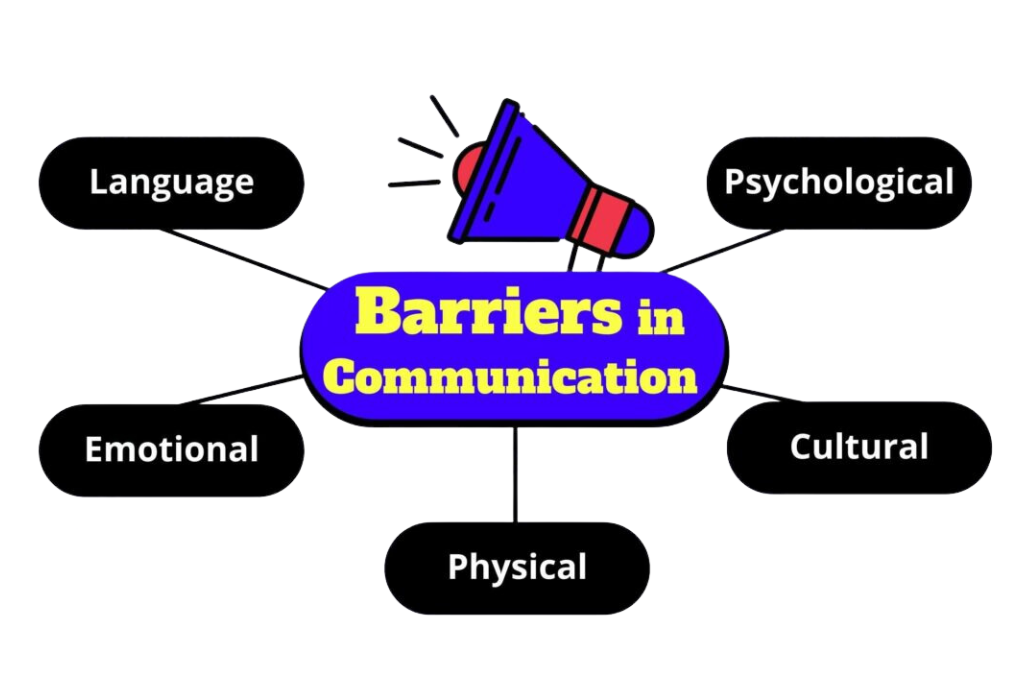
Time constraints can also pose a challenge when it comes to effective communication. In today’s fast-paced world, both businesses and clients are often pressed for time. However, finding ways to prioritize regular communication with clients strengthens relationships and fosters loyalty.
Technological barriers such as unreliable internet connections or incompatible software platforms can also impede effective communication. Businesses should invest in reliable technology infrastructure and explore alternative channels of communication if necessary.
Cultural differences may present challenges in understanding client needs and expectations. Being aware of cultural nuances and adapting communications accordingly helps bridge this gap.
By recognizing these barriers and taking proactive steps to address them, businesses can enhance their ability to effectively communicate with clients, leading to improved client retention rates over time.
How to overcome the barriers to communication in client retention
Overcoming barriers to communication is crucial in enhancing client retention. Here are some strategies that can help bridge the gap and foster effective communication with clients.
It’s important to actively listen to your clients. This means giving them your full attention, understanding their concerns, and responding appropriately. By demonstrating empathy and understanding, you can build a stronger connection and gain their trust.
Choose the right communication channels. Different clients may have different preferences when it comes to how they like to communicate. Some may prefer email or phone calls, while others might prefer face-to-face meetings or video conferences. Adjusting your communication style based on individual client needs can go a long way in maintaining strong relationships.
Be proactive in seeking feedback from your clients. Regularly check in with them to see if they have any concerns or suggestions for improvement. This not only shows that you value their input but also provides an opportunity for open dialogue and problem-solving.
Additionally, clear and concise communication is essential for avoiding misunderstandings or confusion. Use simple language, avoid jargon whenever possible, and provide specific instructions or information as needed.
Always strive for transparency and honesty in your communications with clients. If there are any challenges or setbacks along the way